Celiac Disease in East Africa: Myths vs Facts
Awareness of celiac disease is still growing across East Africa. This piece sets the record straight with simple myth vs fact breakdowns.
Introduction
In East Africa, awareness of celiac disease is still growing. Many people misunderstand what it is, or dismiss it as a trend. But for families navigating a new diagnosis, especially where wheat-based staples like bread, chapati and mandazi are part of everyday meals, it can be a difficult shift.
This article sets the record straight with simple myth vs fact breakdowns.
Myth #1: Celiac is just a fancy food allergy
Fact: Celiac disease is an autoimmune condition, not an allergy. Eating gluten triggers the immune system to attack the small intestine, leading to malabsorption of nutrients and long-term health issues. It's not just about tummy troubles; it's about the body attacking itself.
Myth #2: A little bit of chapati can't hurt
Fact: For someone with celiac, even small traces of gluten from shared cooking oil or cutting boards can cause intestinal damage. It's not just about avoiding the obvious; it's about preventing cross-contamination.
Myth #3: Only kids get diagnosed
Fact: Celiac can appear at any age. In fact, many are diagnosed in adulthood after years of chronic fatigue, infertility, or unexplained illness. It's often misdiagnosed as ulcers, IBS, or stress.
Myth #4: You can outgrow it
Fact: There is no cure for celiac. The only treatment is lifelong adherence to a strict gluten-free diet.
Myth #5: You must have a bad stomach to have celiac
Fact: Some people never experience stomach upsets. Celiac can show up as joint pain, brain fog, skin rashes, or even low iron levels, many symptoms often overlooked in clinics. It's a whole-body condition. Some people might not have typical digestive symptoms but still suffer from internal damage and other seemingly unrelated health problems.
Myth #6: Gluten-free is just a trend for the well-off
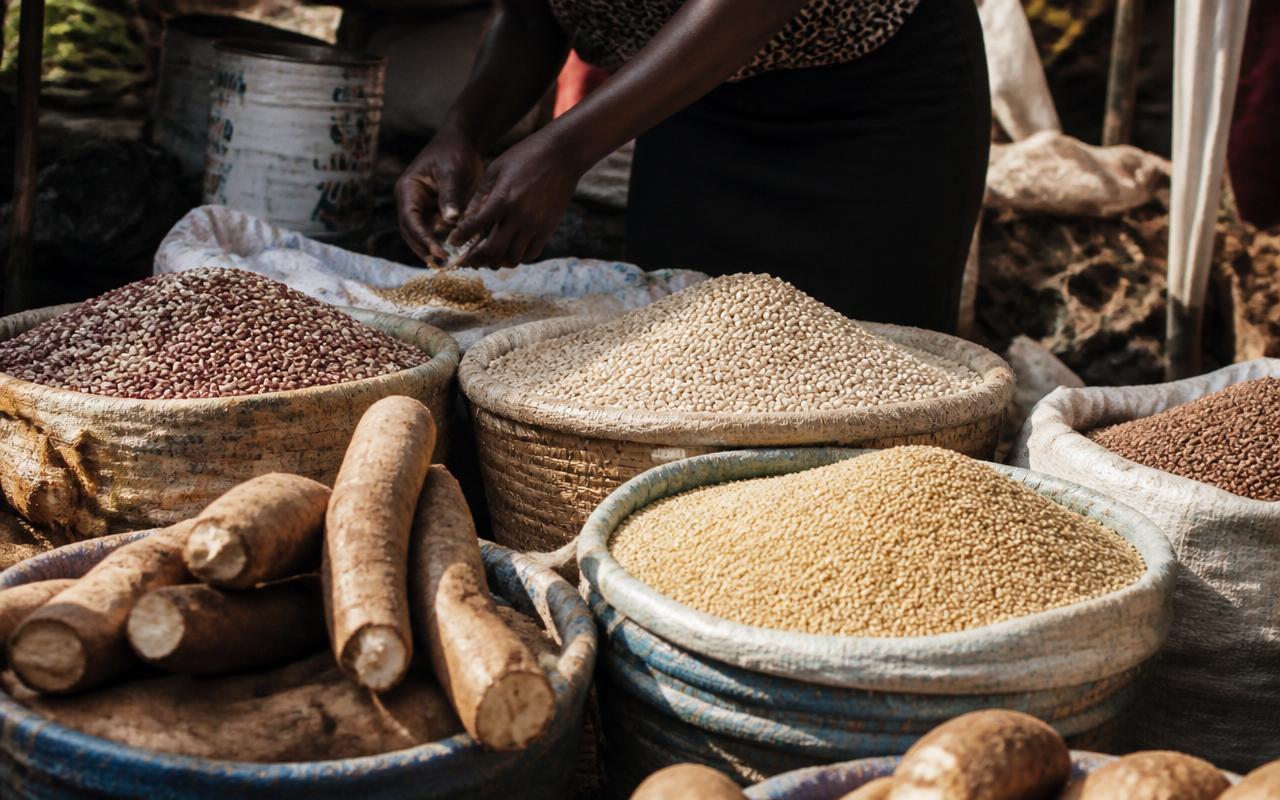
Fact: For individuals with Celiac disease, a gluten-free diet isn't a lifestyle choice; it's the only current treatment. It's about managing a serious autoimmune condition and preventing long-term health complications. While some gluten-free processed foods are expensive, there are affordable, naturally gluten-free foods across East Africa: millet (wimbi), sorghum (mtama), cassava, sweet potatoes, arrowroots, bananas, rice, and more. With proper planning, families can eat well and stay healthy.
Myth #7: Gluten-free automatically means healthy
Fact: Not all gluten-free products are nutritious. A healthy gluten-free diet should be balanced, with whole foods, fibre, and protein. Relying only on starches can lead to poor health over time.
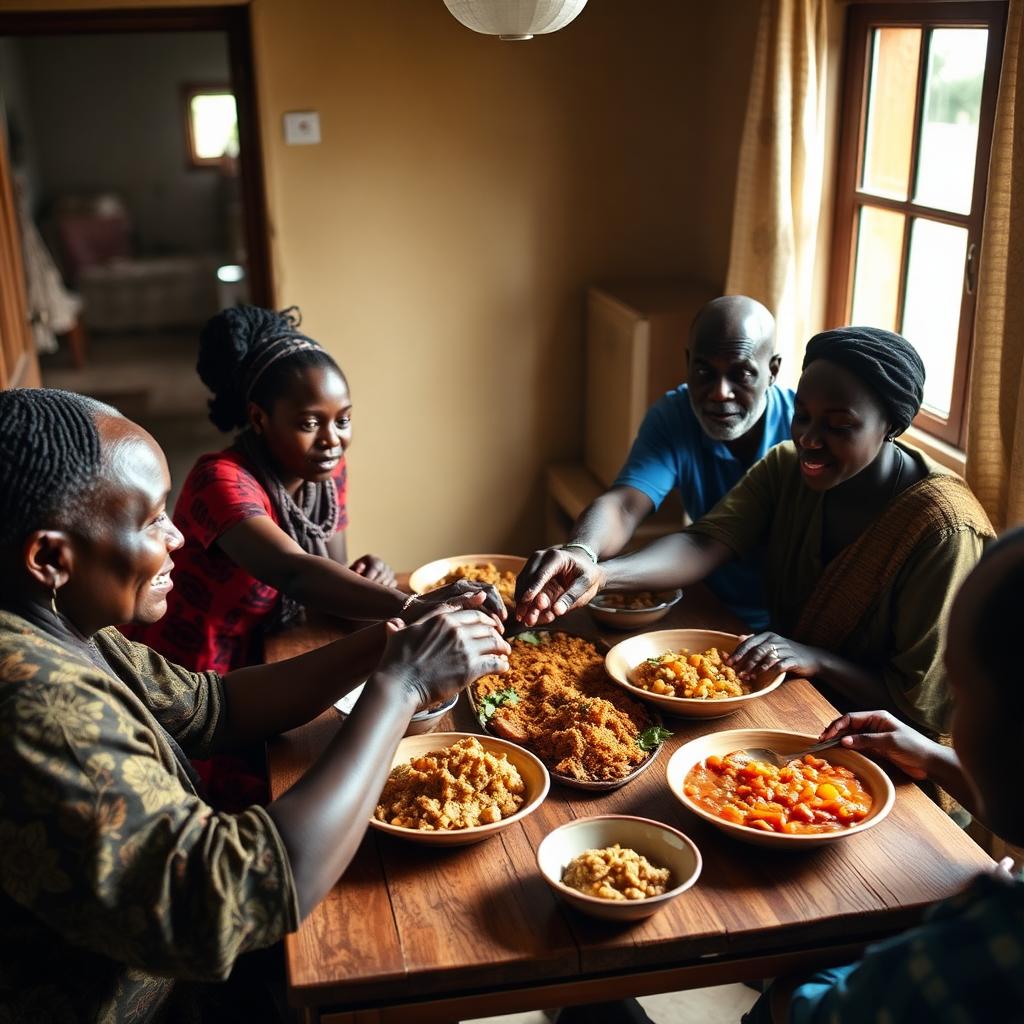
Understanding Celiac disease is the first step to making everyday life better for those affected, and for their families too. In East Africa, food is more than fuel; it's a way we connect, celebrate, and build community. That's why it's important to separate myths from facts, so that those living with Celiac can be supported without stigma or confusion.
With the right information, a little creativity in the kitchen, and support from loved ones, living gluten-free in East Africa doesn't mean giving up taste, culture, or comfort. Whether it's swapping out wheat for sorghum or sweet potatoes, or learning to make your favourite chapos gluten-free, we can still enjoy the foods we love, together.
Let's keep spreading awareness, busting myths, and making our kitchens safe and inclusive for all.
Join the conversation
Share your thoughts, ask a question, or reply to fellow readers. Comments are moderated to keep this a safe, supportive space.