The Hidden Economic Impact of Gluten Intolerance in Kenya
Gluten intolerance isn't just a personal health issue. It's costing Kenya millions in lost productivity, healthcare, and limited access to alternatives.
Does your workplace unknowingly exclude employees with dietary restrictions?
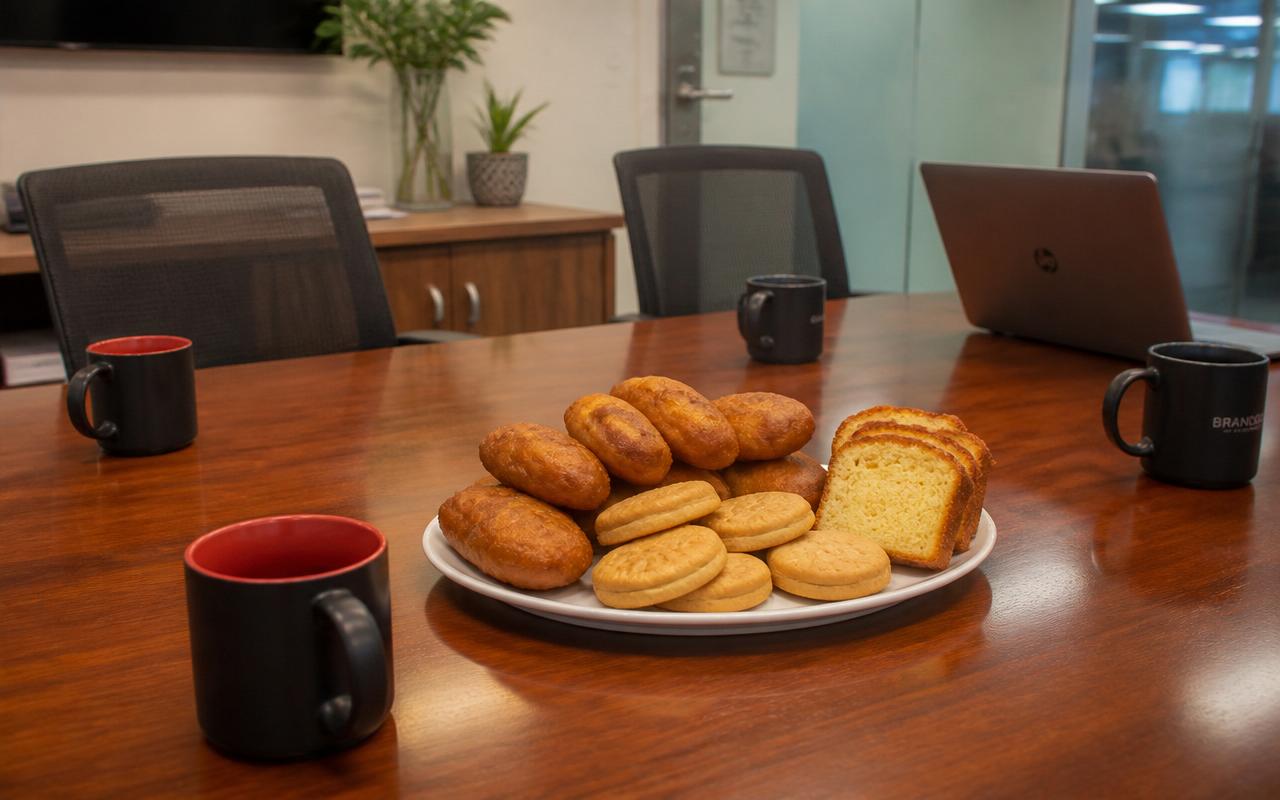
Think about it. Office snacks are usually mandazi, bread, biscuits, and office parties feature pizza, chapati, or cake. If you had a medical condition that prevented you from eating any of these, wouldn't you need to speak up?
Yet, for many professionals with celiac disease or gluten intolerance, raising awareness about their dietary needs is often dismissed as being 'extra.' The reality? Gluten intolerance is a serious medical condition, and ignoring it is costing Kenya millions in lost productivity, healthcare expenses, and limited access to affordable alternatives.
What is gluten and why does it matter?
Gluten is a protein found in wheat, barley, and rye. It's what gives bread its chewiness and chapatis their elasticity.
It's in common Kenyan foods like bread, biscuits and cakes, pasta, chapati and mandazi, and beer.
For most people, gluten is harmless. But for individuals with celiac disease or gluten intolerance, it triggers severe digestive issues, chronic fatigue, and other symptoms, leading to frequent doctor visits, misdiagnoses, and even financial strain.
Now, let's talk about why this isn't just a personal issue. It's an economic one.
1. The productivity gap: sick days and work performance
A 2022 global study found that individuals with undiagnosed gluten intolerance lose an average of 11 workdays per year due to preventable symptoms like fatigue, brain fog, and digestive distress.
For employers, this means lower workplace productivity due to unaddressed health concerns, increased sick leave usage, and higher healthcare costs for misdiagnosed employees.
Imagine if more workplaces recognised gluten intolerance as a legitimate health issue. Companies could boost productivity and reduce absenteeism, saving millions in lost labour hours.

2. The high cost of misdiagnosis
Because gluten intolerance mimics other illnesses, many people spend years visiting doctors, undergoing tests, and trying medications, without solving the root issue.
A 2019 study in the U.S. found that people with undiagnosed celiac disease or gluten sensitivity spend up to 30% more on healthcare costs annually due to unnecessary treatments and medications.
Multiple hospital visits, scans, and medications can cost over KSh 50,000 annually for some families. Instead of receiving a proper diagnosis early, patients endure years of trial and error, affecting their finances and well-being.
If Kenyan doctors, HR teams, and workplace wellness programs were more informed about gluten intolerance, we could reduce these unnecessary costs significantly.
3. The cost of limited gluten-free options
After diagnosis, many Kenyans struggle to access affordable gluten-free foods, not because alternatives don't exist, but because the system isn't built to support them.
Affordable alternatives exist, such as yams, cassava, arrowroots, and millet. However, processed gluten-free foods (like bread and pasta) remain three to four times more expensive due to limited local production. Most restaurants and office cafeterias don't cater to gluten-free diets, forcing individuals to bring food from home or risk getting sick.
This lack of access forces many Kenyans with gluten intolerance to continue eating gluten (worsening their health), rely on expensive imports, or miss out on workplace events and shared meals due to lack of options.
A stronger local gluten-free market would create jobs, support businesses, and make healthier food more accessible, benefiting both consumers and the economy.
Why this matters for Kenya's economy
A study by Beyond Celiac found that people with undiagnosed gluten intolerance spend 2.5 times more on healthcare, and experience a 25% reduction in productivity due to brain fog, fatigue, and illness.
Imagine a Kenya where fewer misdiagnoses mean lower healthcare costs, healthier employees mean higher productivity, and a thriving gluten-free market boosts businesses and job creation.
This is why I advocate for greater awareness, better food options, and improved policies for gluten-free living in Kenya.
Let me know what you think in the comments.
Join the conversation
Share your thoughts, ask a question, or reply to fellow readers. Comments are moderated to keep this a safe, supportive space.