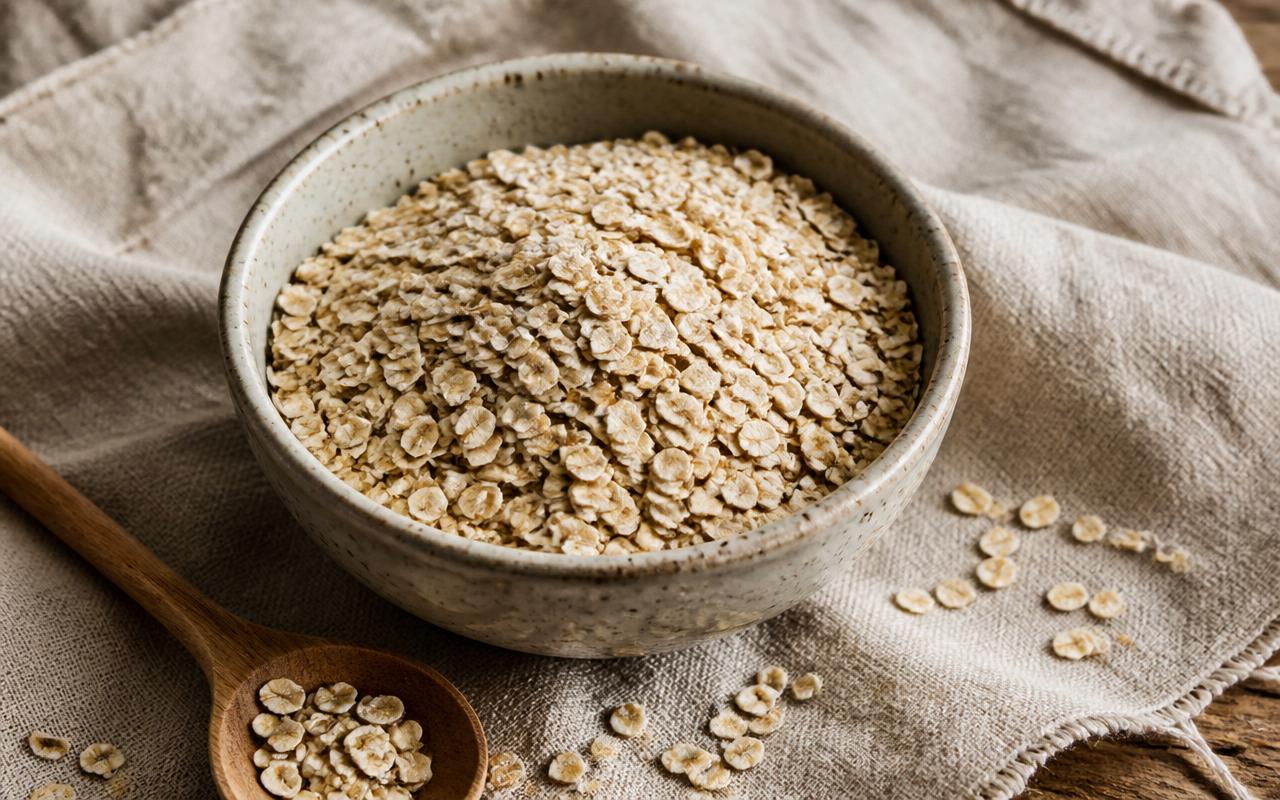
Oats & Gluten: Safe or Risky for People with Celiac Disease?
Some people with celiac and NCGS eat oats with no issues, while others react badly. Let's break down what's really going on.
If you're gluten-free, you've probably asked, 'Are oats safe for me?' It's a big debate, even among experts. Some people with Celiac Disease and Non-Celiac Gluten Sensitivity (NCGS) eat oats with no issues, while others react badly.
So, what's the deal? Let's break it down.
1. Are oats naturally gluten-free?
Yes. Oats don't naturally contain gluten. But then why do some people react to them? There are two main reasons.
Contamination with wheat, barley, or rye
Most oats are grown, harvested, and processed using the same equipment as wheat and barley. This leads to cross-contamination, meaning your 'gluten-free' oats may have small amounts of gluten.
Avenin: the gluten-like protein in oats
Oats contain avenin, a protein that is structurally similar to gluten. Some people with Celiac Disease react to avenin the same way they react to gluten.
2. Are oats safe for people with Celiac Disease?
It depends.
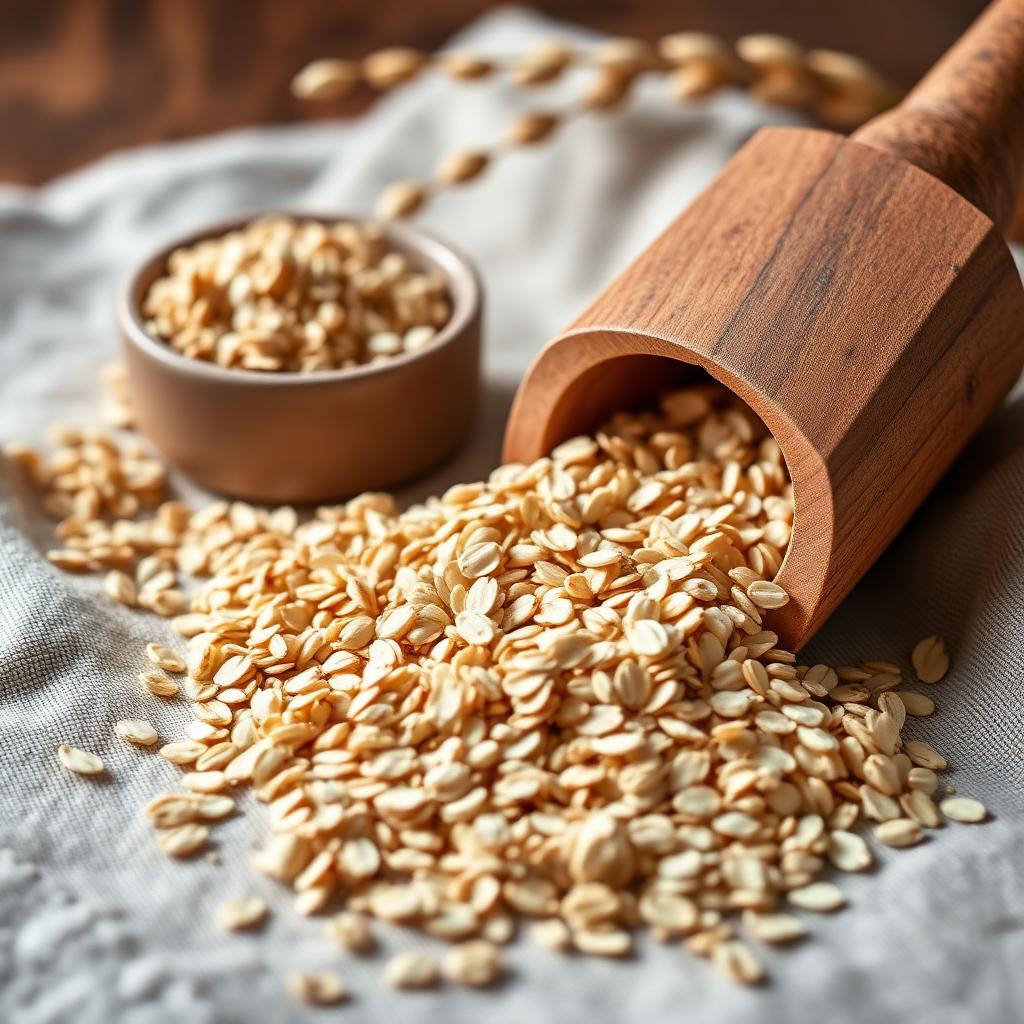
If you have Celiac Disease, only eat oats that are labelled 'Certified Gluten-Free.' These are grown and processed separately from gluten-containing grains. Even then, some Celiacs still react to pure oats because of avenin sensitivity (about 5 to 10% of people).
How do you know if oats are safe for you? Try a small amount of certified gluten-free oats and monitor symptoms. If you feel unwell, stop eating them and talk to your doctor.
3. What about people with Non-Celiac Gluten Sensitivity?
If you have NCGS, your reaction to gluten is different from someone with Celiac Disease. Since NCGS is not an autoimmune condition, you might tolerate oats better.
Some people with NCGS can eat oats with no issues. Others react, especially if the oats are contaminated. The solution is to start with small amounts of certified gluten-free oats and observe how you feel.
4. Are gluten-free oats available in Kenya?
Finding certified gluten-free oats in Kenya can be tricky. Many oats sold in supermarkets are not certified gluten-free because they are processed alongside wheat.
Here's what you can do:
- Look for oat brands that are labelled 'Certified Gluten-Free.'
- Ask your supplier about cross-contamination. Some Kenyan brands may be safe but aren't labelled.
- Explore alternative grains. If oats don't work for you, try millet, sorghum, amaranth, or teff, all naturally gluten-free and widely available in Kenya.
5. Final verdict: should you eat oats?
If you have Celiac Disease: only eat certified gluten-free oats if you tolerate them. If you react, avoid oats completely.
If you have Non-Celiac Gluten Sensitivity: start with small amounts of gluten-free oats and observe your body. If you react, oats might not be for you.
If you're unsure: consult a doctor or Nutrition & Wellness Coach before adding oats to your diet.
Have you had any reactions to oats before? Let's discuss in the comments.
Join the conversation
Share your thoughts, ask a question, or reply to fellow readers. Comments are moderated to keep this a safe, supportive space.